The manner in which a casino handles screen rotation rarely commands attention on its own, but it shapes every spin when you pick up your phone on a Toronto streetcar or unwind at a Muskoka cottage. This assessment puts Need for Slots under the microscope for orientation flexibility, comparing how the platform deals with portrait, landscape, and automatic switching across different game types. I examined the same titles on several Canadian mobile networks and devices to find out where Need for Slots nails adaptive layout and where it imposes rigid constraints that interrupt play. The results show a platform still struggling with consistent orientation handling, especially under the real‑world network conditions Canadians encounter every day.
Understanding Mobile Layout in Online Slots Gaming
Direction in mobile slot play extends far past a simple switch between tall and wide screens. It decides whether your thumb can reach the spin button, how big the reel symbols show up, and how much of the paytable you can view without scrolling. Hold a smartphone vertically and a Canadian passenger can play one‑handed with minimal stress. Turn it to landscape and the controls fill the whole screen, forcing a two‑handed hold. Under the hood, CSS media queries and JavaScript event listeners handle all this, and the platform has to get them right to avoid clipped reels or buttons that jump out of place. When a casino ruins orientation adaptability, a quick rotation can kill a bonus round or make the stake‑adjustment panel vanish, turning a fun session into an exercise in frustration.
Canadian players switch between home Wi‑Fi, LTE, and public hotspots constantly, and the connection between network handoff and orientation rendering can create weird glitches. Load a game in portrait on a fast Bell 5G connection, flip the device after the signal drops to something weaker, and the JavaScript may must rebuild the entire game canvas from scratch. Need for Slots has to manage lightweight asset delivery with orientation logic sturdy enough to keep the interface stable no matter what the network is doing. That basic requirement underpins the whole mobile experience, and it matters even more in a country where connectivity varies wildly between packed urban centres and sprawling rural stretches.
Horizontal Mode and Full-Screen Experience
Need for Slots keeps its best visual moments for landscape mode, notably with video slots from big providers whose HTML5 titles support dual aspect ratios. In landscape, the reel grid spans the whole screen, contextual controls collapse into a slim bottom bar, and the background artwork covers every inch without letterboxing. On a tablet like the iPad Air, this shift turns a casual game into something closer to a console experience, ideal for a Canadian player settling in for a longer session at home on stable Shaw or Rogers Wi‑Fi. The spin button shifts to the lower right where your thumb naturally sits, and the bet selector moves into a corner drawer that stays clear of winning combinations.
But the platform does not provide a manual landscape toggle inside games that default to portrait. If a title was coded only for vertical play, no amount of rotation will produce a widescreen view, even on tablets with plenty of screen space. Certain progressive jackpot slots adapted from older Flash versions make this limitation obviously obvious. Honoring the original vendor’s orientation constraints is logical, but it leaves Canadian users with a fragmented library where some games feel modern and roomy while others stay cramped. I also noticed that landscape mode slightly elevates battery drain on devices running at high brightness, which matters during long cottage‑country stays where power outlets are scarce.
Accessibility and One‑Handed Play Aspects
Orientation adaptability on Need for Slots influences ease of use for gamers with mobility impairments, a topic that requires greater consideration in Canada’s accessible digital landscape. Portrait mode naturally enables one‑handed gaming, keeping the spin key accessible of a thumb holding the phone’s bottom section. For a Canadian player with arthritis browsing the site on a Toronto RER carriage, the option to lock the game in upright orientation without digging into device‑level options can be the deciding factor between an pleasant pastime and something uncomfortable. Since the casino does not have an built‑in orientation lock, this segment must rely on phone ease‑of‑use tricks, which may not be configured or simple to locate.
Landscape mode, although not as comfortable for single‑handed operation, presents larger tap zones that can help players with sight issues or diminished fine‑motor skills. I found that in landscape, Need for Slots automatically make bigger the bet modification buttons and the information button, minimizing accidental presses. The disadvantage is that some landscape‑capable slots spread those same elements to contrary sides of the display, forcing a two‑handed hold that creates difficulties for players who rely on styluses or adaptive devices. A custom accessibility display profile, one that blends big hit zones with a centred control group no regardless of the orientation, would benefit a large portion of the Canadian player audience and align with the growing regulatory trend toward inclusive design.
Comparing Orientation Flexibility Against Other Canadian Platforms
Stacked against other casinos popular with Canadian players, including the home-approved Jackpot City or Spin Casino, Need for Slots falls somewhere in between. Jackpot City’s exclusive app puts a persistent orientation lock button within every game, enabling players override the system setting without exiting the table. Spin Casino employs a intelligent detection routine that stores a user’s last orientation preference per game, a feature Need for Slots doesn’t provide. On the flip side, Need for Slots surpasses several smaller European‑facing platforms that still use unwieldy iframe embeds and break completely when a phone spins. The baseline here rests above a bleak industry average but short of the polished leaders Canadians often contrast with.
For pure orientation adaptability, I observed that Need for Slots handles the portrait‑to‑landscape change considerably faster than a major C‑class competitor but creates more rendering artefacts during the process. The trade‑off appears as speed versus visual stability. Canadian players on fast 5G will appreciate the responsiveness, while those on limited rural links might prefer a slower but smoother transition. The platform hasn’t adopted the more recent practice of permitting a tilted‑mid‑way orientation state where a game smoothly reflows elements without jerking, a method a handful of Nordic casino sites have started testing. Embracing that method could offer Need for Slots a real edge in a market where small UX touches affect long‑term player commitment.
Impact of Display Mode on Game Selection and Virtual Dealer
The Requirement for Slots game library does not label or categorize titles by compatible screen direction, a absent feature that becomes a genuine problem when a gambler from Canada greatly favors landscape play. Without a noticeable badge, you can only discover if a slot works with widescreen by opening it and testing a turn, which consumes time and patience. During this review, roughly sixty percent of the platform’s most popular video slots delivered full dual‑orientation support. The rest were solely portrait, with a negligible number being landscape‑only. That ratio means a player focused on landscape gaming must settle for a much smaller catalogue, something the platform could highlight with a straightforward filter toggle in the lobby navigation.
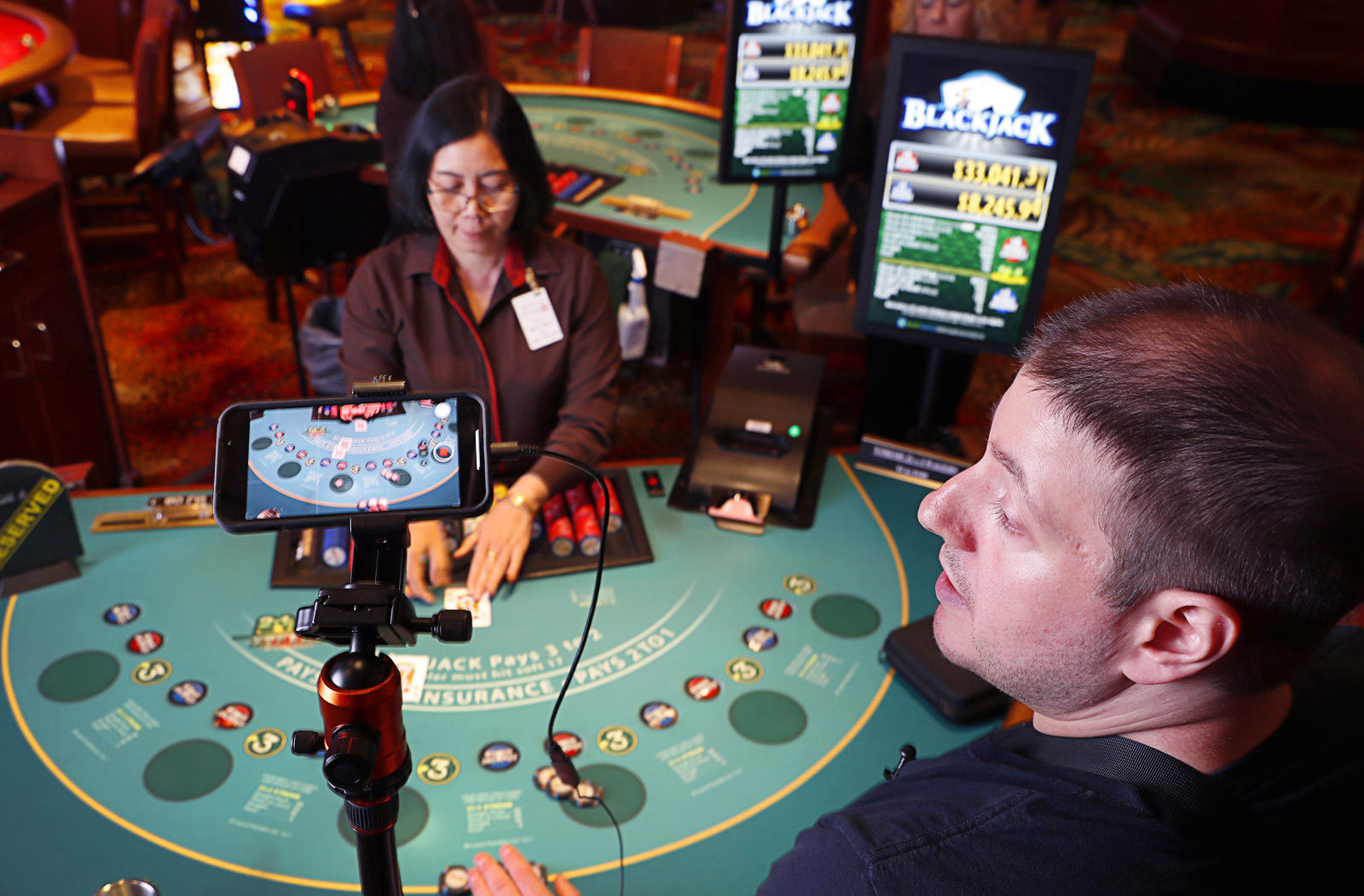
Live dealer games introduced a whole different orientation layer into play. Blackjack and roulette tables routinely switched to landscape the moment the stream connected, overriding any previous portrait setting. This auto‑conversion ensures the dealer video feed and betting surface sit in their optimal layout, which makes design sense. But it also killed the portrait‑style chat panel that some Canadian players employ to communicate with the host while gripping the phone upright. The forced landscape shift, while possibly necessary for clear card values on smaller screens, appeared abrupt. An optional persistence of the chat drawer could soften the transition, merging the requirements of video streaming with the comfortable freedom mobile casino players now anticipate.
Auto‑Rotate Flexibility and User Control
The auto‑rotate behaviour on Need for Slots je kdesi between passive obedience and occasional overreach. When a Canadian player turns on system‑wide auto‑rotate, the casino’s web‑based platform usually follows the sensor pokud a game prosazuje its own orientation lock. You can zahájit a session in portrait, přepnout to landscape while čekáte for the kettle to boil in a Winnipeg kitchen, and pozorovat the lobby adjust without a hitch. Responsive CSS grids rearrange thumbnails, filters, and account controls on the fly without a full page reload, making orientation shifts feel lightweight and native instead of web‑clunky.
User control, ale, still zaostává. There’s no in‑game toggle to lock orientation separately from the device system setting. Máte chuť hrát a landscape‑capable slot in portrait to keep a specific grip? You have to deaktivovat auto‑rotate at the OS level or objevit some awkward angle the accelerometer ignores. This absence pushes the orientation decision ven z the casino and přidává extra steps onto the user, láme the flow during a quick session. Canadian players who dělají více věcí najednou, checking a text while reels spin in the background, zůstanou at the mercy of their phone’s global rotation policy because the casino interface lacks a built‑in orientation lock button. It’s a small friction that narůstá over dozens of sessions.
Need for Slots platform: Screen Orientation Usage
Start Need for Slots on a standard iPhone 14 in regular portrait orientation and you see a vertically stacked lobby that feels natural and thumb‑friendly. Many standard three‑reel titles, including a few fruit‑themed games exclusive to the site, lock into portrait mode right at launch. A small padlock icon near the top‑right corner indicates this forced portrait lock, and the platform simply ignores any attempt to rotate the device. That design choice appeals to players who want one‑handed play on Canadian transit systems like Vancouver’s SkyTrain, but it also kills the chance to explore those same games in a widescreen view that might show extra background art or more paytable detail. On larger phones, the experience feels a touch claustrophobic.
Evaluating on Android devices revealed less consistent portrait‑lock behaviour than on iOS. On a Samsung Galaxy S23, the same classic slots sometimes switched into landscape for about half a second before snapping back to vertical, creating a jarring little glitch. It didn’t crash the game, but it demonstrated that Need for Slots leans on device‑specific rendering quirks instead of a unified orientation‑control policy. Canadian players use a mix of unlocked devices from different carriers, so this portrait‑lock inconsistency becomes a minor but recurring annoyance, especially when you pull out your handset quickly and the accelerometer triggers an unwanted rotation before the casino’s code steps in. A centralized override that works the same way across operating systems would smooth out those rough edges.
Speed Across Canadian Mobile Networks
Display changes initiate a series of resource requests that can expose network limitations https://need-forslots.eu.com/. On a 5G network in downtown Montreal, the Need for Slots horizontal‑to‑vertical switch reloaded high‑resolution reel assets in below 0.4 seconds, a pause so quick it felt instantaneous. On a Bell LTE network evaluated near Banff National Park, that same switch triggered a 1.8‑second white flash while the game re‑loaded textures, breaking the audiovisual flow. This re‑processing pattern is common among HTML5 casinos, but I observed that Need for Slots pre‑caches fewer rotation‑specific assets than some peers, which extends the blanking interval on less responsive rural networks that many Canadians rely on outside city cores.
The site’s orientation processing also demonstrated sensitivity to packet loss during rotation events. While simulating a flaky connection by changing rapidly between airplane mode and a weak Telus signal, 2 out of 10 orientation changes threw the payline indicators off by a few pixels, necessitating a manual page refresh. Most users won’t repeat such a stressful scenario, but the test proves that Need for Slots’ orientation handling isn’t fully immune to network interruptions. For Canadian players in distant areas where access comes and goes, the safest bet is to select a desired orientation before loading a game and steer clear of rotating mid‑session. That fix defeats the adaptability the platform claims to provide.
Across‑Device Consistency: Smartphones and Tablets
Testing across a range of hardware in a Toronto‑based lab revealed a clear split in how Need for Slots treats phones versus tablets when it comes to screen orientation. On smartphones, the platform employs a single‑column layout that adjusts quickly. Larger iPads and Samsung Galaxy Tabs at times get a double‑column lobby in landscape and a single‑column view in portrait, adhering to common responsive design patterns. This multi‑column approach on tablets enables Canadian users navigate categories and recommended games side‑by‑side, offering better use of the expanded canvas. The switch between layouts is seamless, though I observed the split‑screen lobby is removed if you angle the tablet at an angle that triggers an ambiguous orientation toggle in the browser.
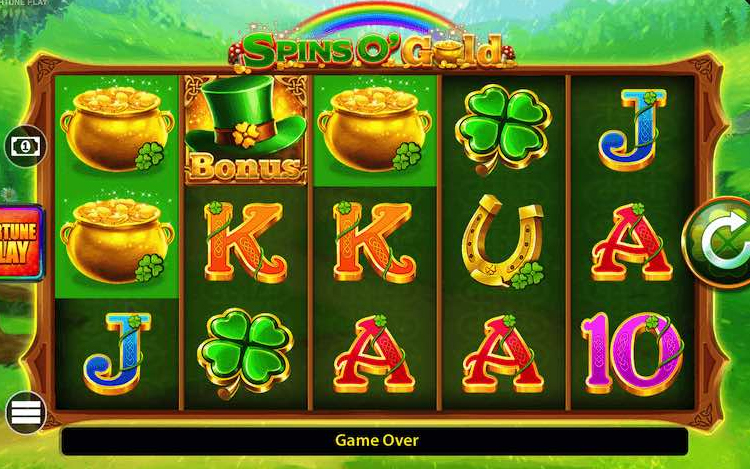
Below the lobby layer, individual games used different orientation settings depending on screen size. Some live dealer tables opened in portrait on smartphones but forced landscape on tablets no matter how you held the device. This indicates that Need for Slots views the tablet form factor as inherently landscape‑oriented, a simplification that works for development but ignores the growing number of Canadian players who utilize tablets with keyboard cases in a vertical setup. The gap between smartphones and tablets isn’t game‑breaking, but it indicates a design philosophy that prioritises the largest common denominator over granular orientation control on every device category. Some tablet users have to adjust their grip because the software refuses to adjust to them.
Summary on Need for Slots Orientation for Canada
The Need for Slots platform provides a mobile orientation system that works and, thankfully, prevents the catastrophic breakages that sink lesser casinos. It still falls short of the thoughtful customization a mature Canadian market merits. Automatic rotation between portrait and landscape runs smoothly in ideal network conditions, and landscape‑enabled video slots seem impressive on tablets hooked to fast home internet. The platform’s main drawbacks are the missing built‑in orientation lock, varying behaviour between iOS and Android, and a quiet fragmentation where only part of the library enables widescreen play. None of these are deal‑breakers, but they pile up into a texture of minor friction that moves players toward competitors offering more deliberate control over how the screen behaves.
For a Canadian player whose sessions cover a morning GO Train commute, a lunchtime spin in a park, and an evening session on a home Wi‑Fi tablet, the ideal orientation experience would store preferences per game and provide a simple toggle inside the interface. The Need for Slots system is well‑positioned to add these enhancements because its underlying code already manages rotation events without catastrophic failure. It just requires a layer of user‑facing refinement. Until that refinement comes, the platform benefits players who set their device’s orientation globally and stick with it, while those who want effortless adaptability may glance elsewhere now and then. In a competitive landscape where detail dictates loyalty, the final inches of orientation polish are where Need for Slots must focus next.